
Receptor-target mechanism
A labeled draft that maps how a drug class interacts with receptors and downstream pathways.
Mechanism
Draft pharmacology visuals for mechanisms of action, receptor interactions, ADME teaching, and medication-comparison summaries. Define the drug class, the target, and the audience before you generate.
Free to try ·
Your diagram will appear here
Describe what you need and click Generate
Example pharmacology drafts for mechanism teaching, medication comparison, and study materials.
A labeled draft that maps how a drug class interacts with receptors and downstream pathways.
A teaching draft that contrasts dose escalation, effect, and threshold concepts in one view.
A process draft that explains absorption, distribution, metabolism, and elimination for teaching use.
A summary draft that highlights shared pathways, interaction checkpoints, and monitoring cues.
A concept draft that explains target range, toxicity risk, and monitoring logic at a glance.
A medication-comparison draft that contrasts timing and role of different therapeutic options.
Use this page when the request is mainly about medication mechanism, receptor logic, ADME, or comparison teaching rather than full disease pathways or prescribing guidance.
Strong pharmacology prompts define the drug or class, the target pathway, the audience, and whether the main job is mechanism, comparison, or monitoring explanation.
This page helps with first-pass pharmacology teaching, but final review should still confirm up-to-date mechanism details, terminology, and any dosing or safety content.
Use another page when the visual should focus more on disease pathways, pathology, or patient-facing medication counseling rather than pharmacology teaching itself.
Describe the drug class, the target pathway, and the audience, then review the output against current references before reuse.
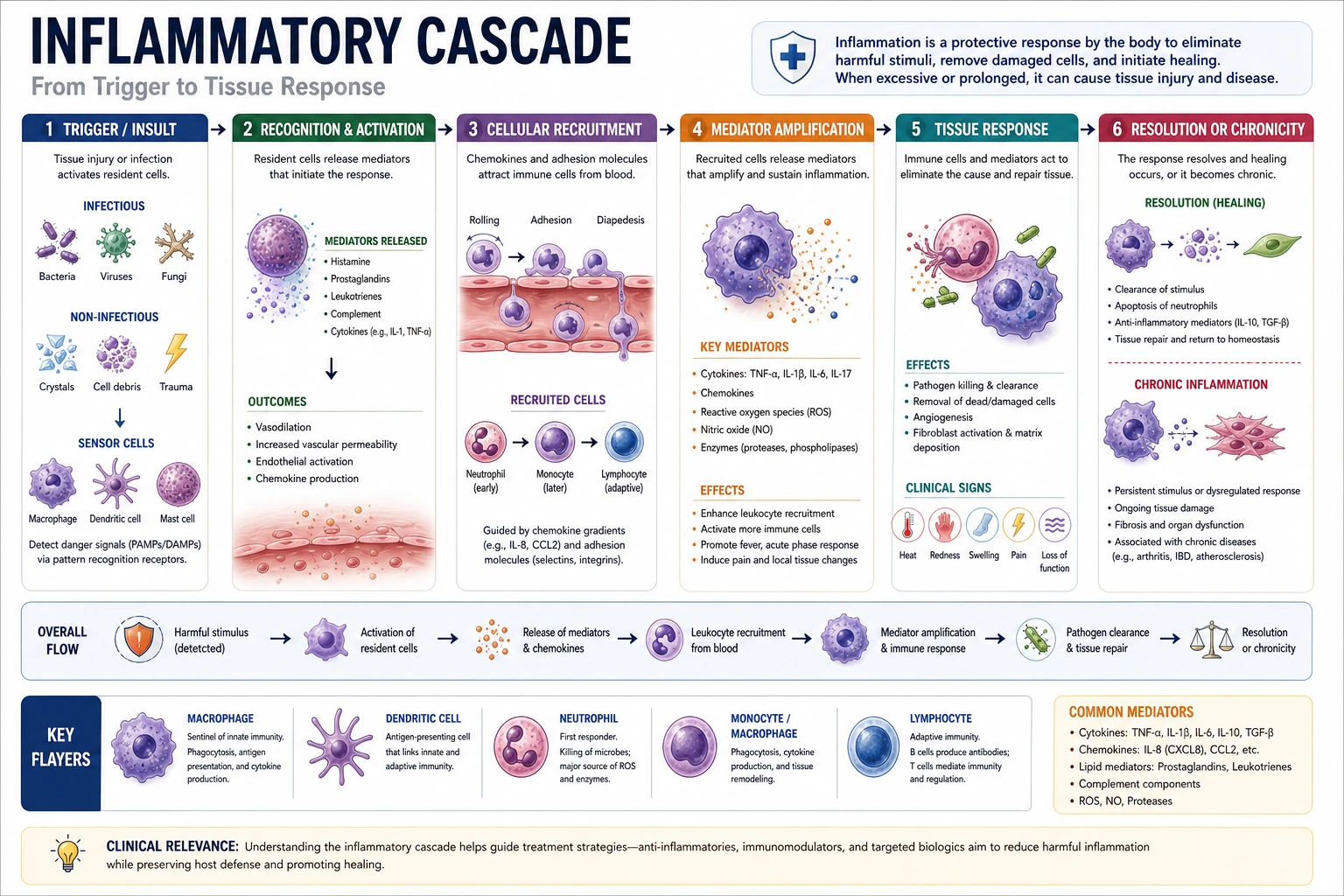 Medical Workflows
Use a clinician-facing page for treatment pathways, monitoring logic, and broader disease-context visuals.
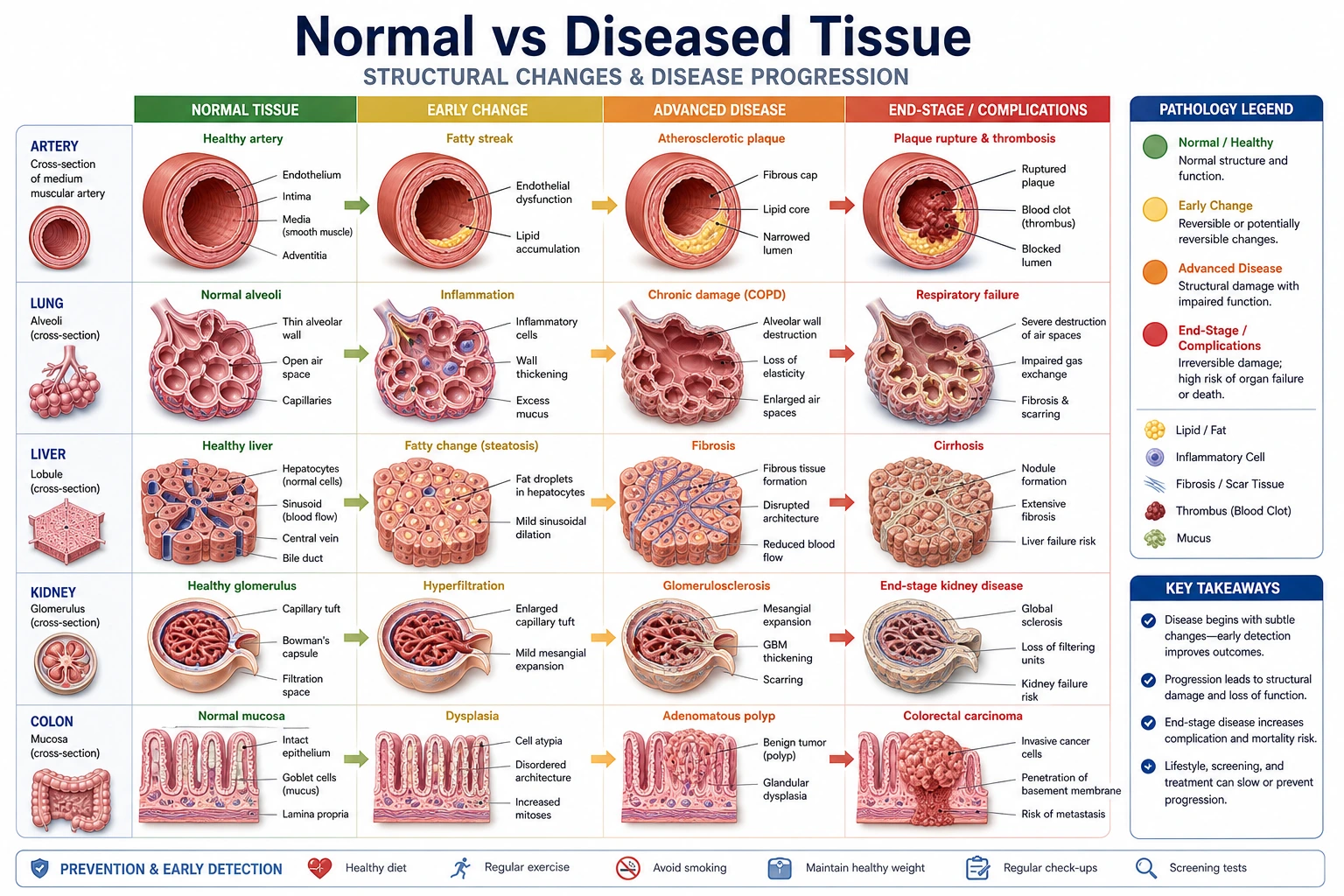 Pathology
Switch to a pathology page when the visual should focus more on tissue injury or disease-state morphology.
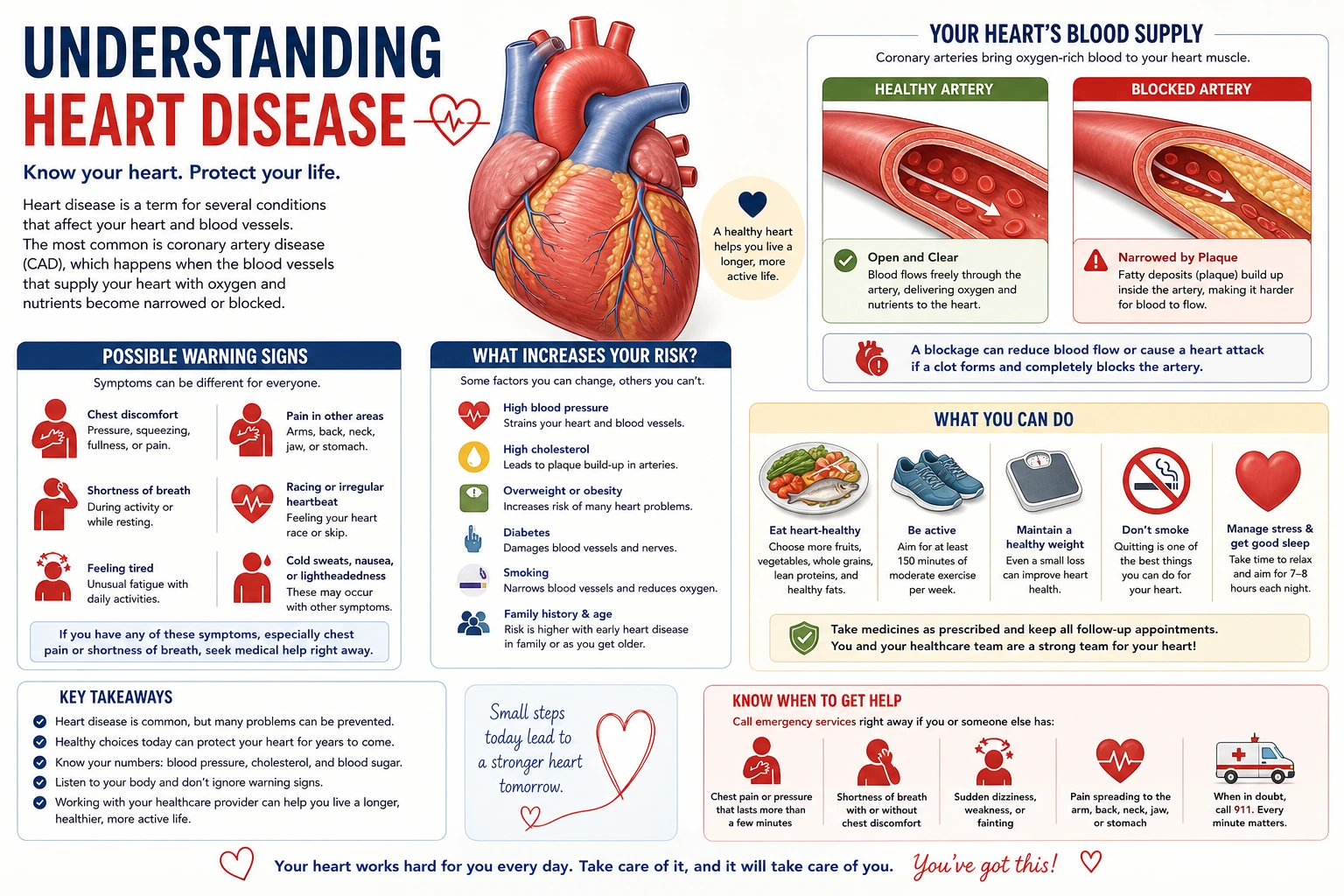 Patient Education
Move to a patient-facing page for plain-language medication and follow-up explainers.