
Mechanism summary abstract
A one-panel draft that compresses pathway logic, intervention, and outcome into a quick study overview.
Mechanism
Draft one-panel research summaries for manuscripts, preprints, grants, and lab communication. Describe the study question, method, and key finding, then review the output for the target journal or audience.
Free to try ·
Your diagram will appear here
Describe what you need and click Generate
Example one-panel research-summary drafts for manuscripts, grants, and lab communication.
A one-panel draft that compresses pathway logic, intervention, and outcome into a quick study overview.
A structured overview of recruitment, intervention, comparison, and endpoint flow for a clinical study.
A summary draft that contrasts groups, responses, or pathways without expanding into a full multi-panel figure.
A high-information-density teaching figure with a main view, detail insets, legend, and review-ready labels for microbiome–gut–brain axis.
A high-information-density teaching figure with a main view, detail insets, legend, and review-ready labels for nanoparticle delivery concept.
A high-information-density teaching figure with a main view, detail insets, legend, and review-ready labels for single-cell analysis workflow.
Use this page when you need a compact research summary rather than a full figure set. It works well for manuscripts, lab updates, grants, and study overviews where one panel should tell the story.
Good prompts define the question, the experimental logic, and the take-home message. Keep the scope tight so the output stays readable in a single panel.
Treat the output as a first pass. Journal policies, panel sizing, disclosure rules, and labeling conventions still need manual review before a figure is submitted externally.
Use a different page if the brief is a full research figure set, a template-comparison workflow, or a public-facing infographic rather than a one-panel study summary.
Scientific presentation workflow
Use the presentation workflow to distinguish source-backed evidence from conceptual explanation before creating a one-panel summary.
Explore scientific presentation figuresStart with the study question, the core workflow, and the takeaway, then refine the panel for the destination journal or audience.
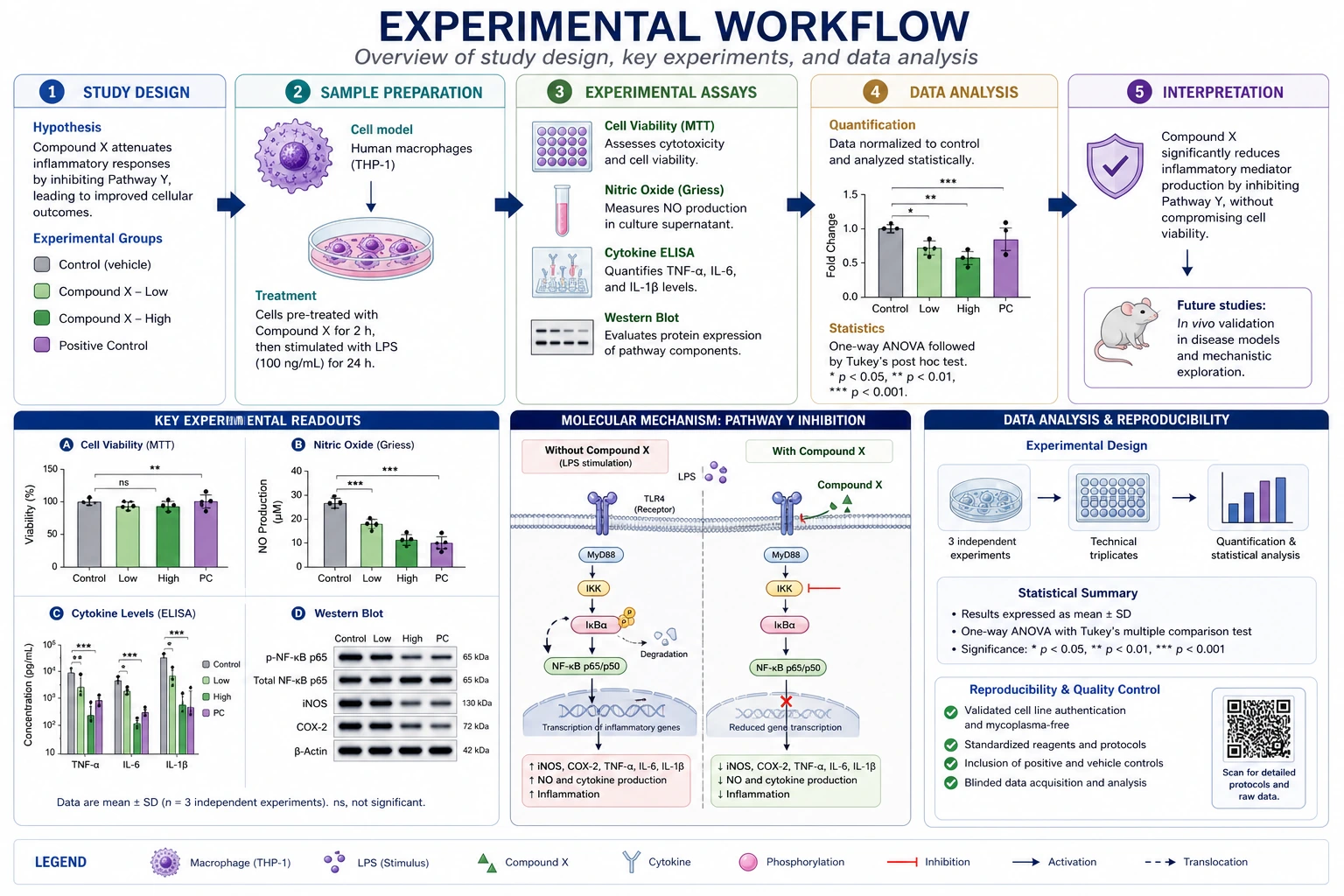 Research Figures
Move to a broader research-figure workflow when the story needs multiple panels or more detailed figure planning.
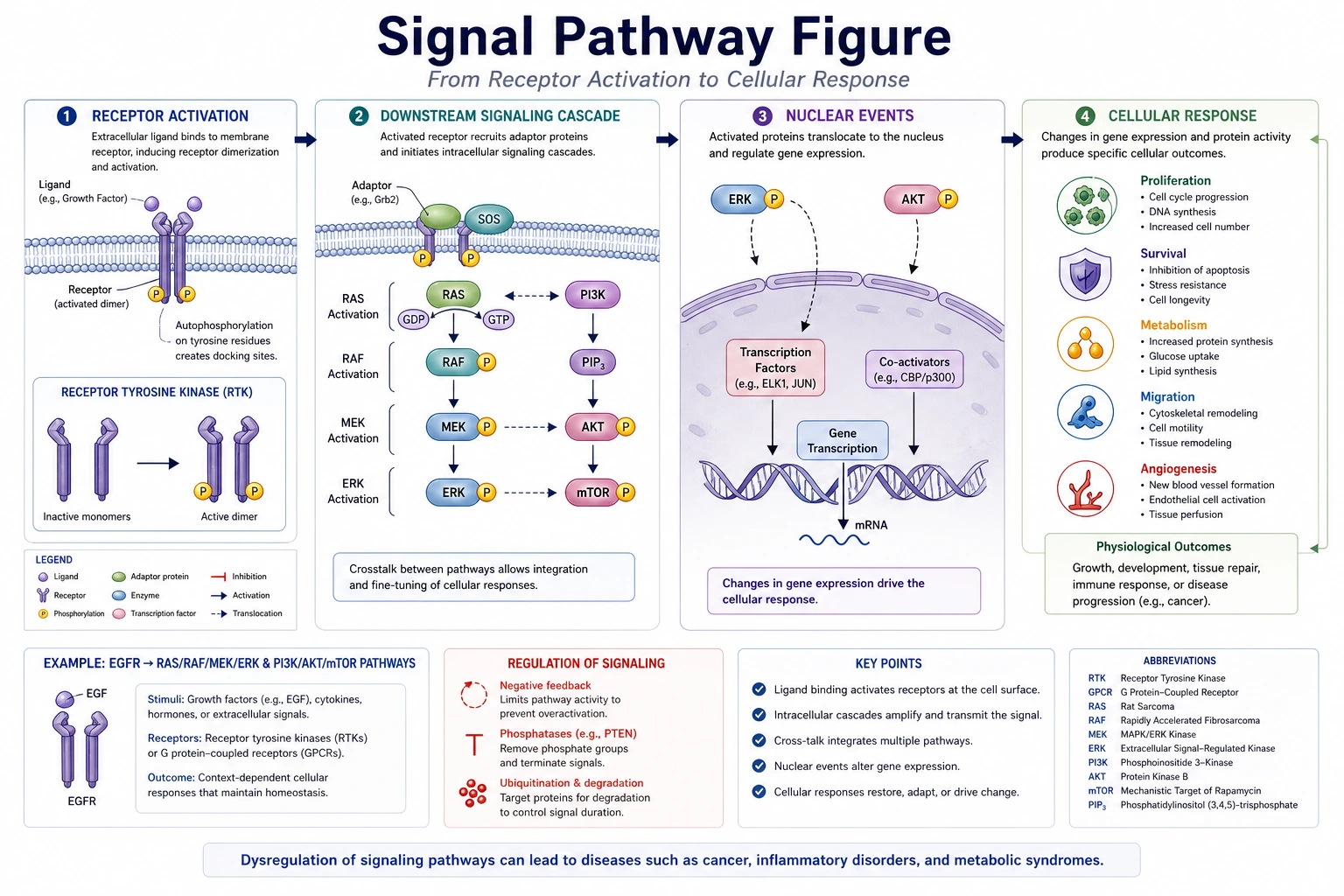 Workflow Comparison
Compare prompt-based figure drafting with template-library workflows for life science visuals.
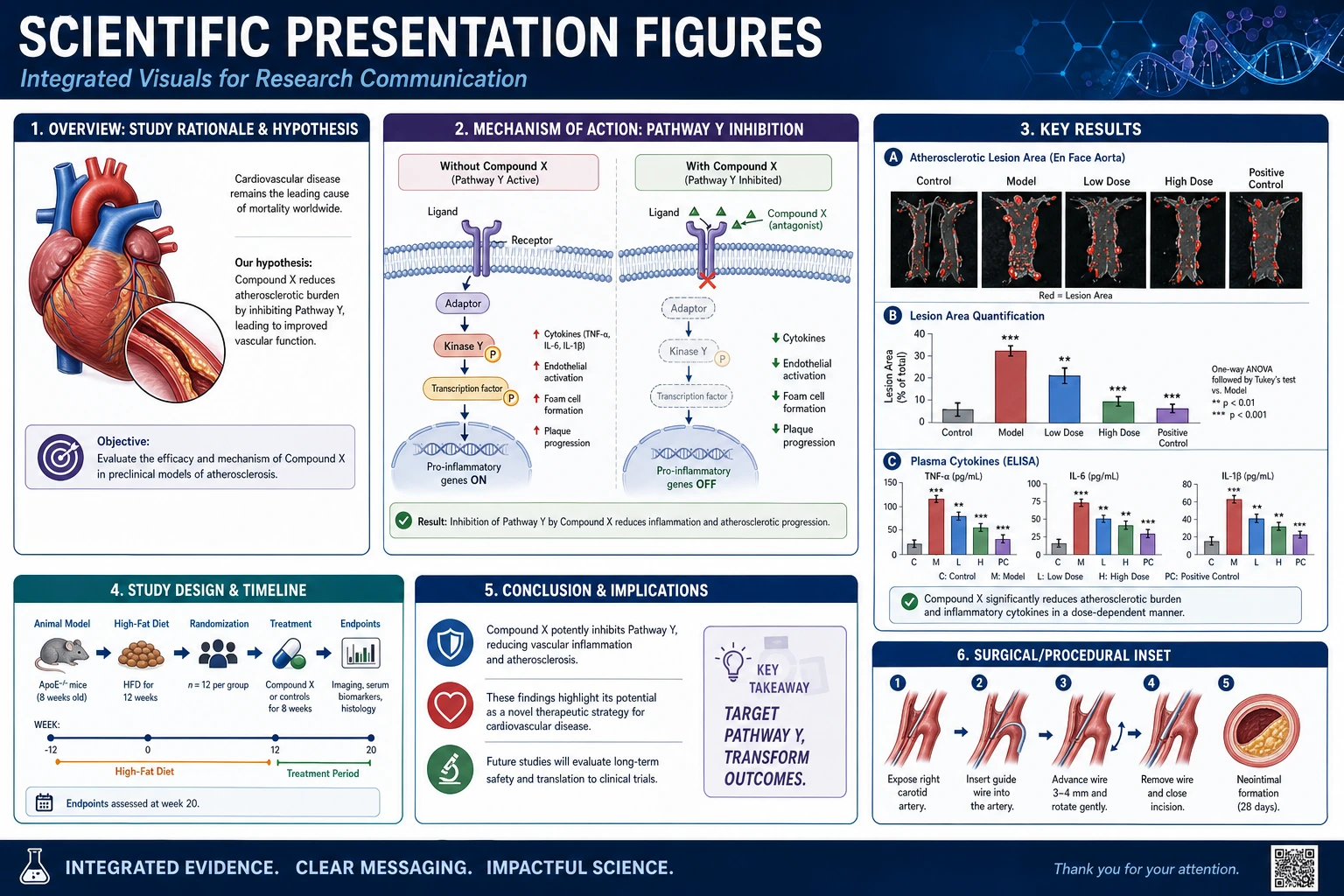 Presentations
Use a presentation-focused page when the destination is a talk, poster session, or slide deck.