
Brachial Plexus Self-Test Card
Front side for active recall, back side for quick label checking before the next Anki review.
anatomy
Turn anatomy, pathology, pharmacology, histology, and clinical-sign prompts into image-first study cards for spaced repetition, self-testing, and deck-based review.
Free to try ·
Your diagram will appear here
Describe what you need and click Generate
Practical visual cards for anatomy recall, drug review, pathology recognition, and histology drills
Front side for active recall, back side for quick label checking before the next Anki review.
Drug card pairing receptor-level mechanism with the adverse effects you keep mixing up on review.
Image recognition card contrasting normal lung with consolidation so the pattern sticks faster.
Microscope-style card for drilling follicles, colloid, and parafollicular cell context without extra clutter.
Quick recognition card for ptosis, miosis, and anhidrosis with just enough pathway context on the back.
Useful when you want one card for vessel names and another for which wall each vessel supplies.
The strongest medical flashcards make the challenge clear in one glance: identify the structure, name the mechanism, recognize the slide, or interpret the clinical sign. That keeps review focused and repeatable.
Keep each card narrow enough that you can miss it for one reason, not five. A single structure, comparison, pattern, or mechanism usually performs better than a crowded summary image.
Say exactly what belongs on the front and what belongs on the back. If you want self-testing, ask for an unlabeled panel first and a labeled answer panel second.
These visuals are useful for anatomy review, pharmacology mechanisms, pathology recognition, histology practice, and concise clinical-sign revision where fast visual recall matters.
Medical education workflow
Use the education workflow to set the learner, concept, supporting visual structure, and source review before creating flashcards.
Explore medical education visualsMake image-first cards for anatomy, pharm, pathology, and histology, then review them with the spaced-repetition workflow you already trust.
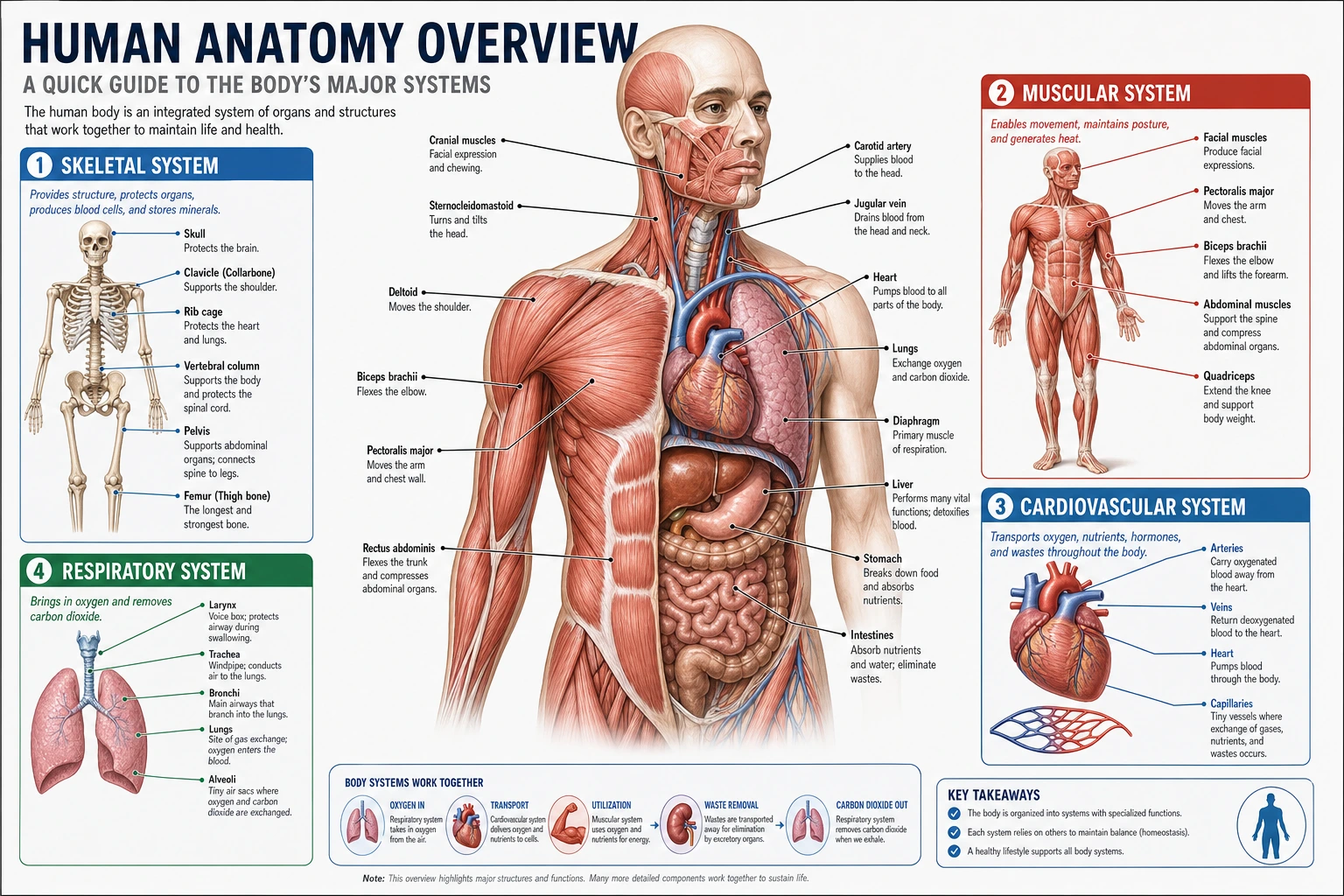
Create a clean labeled or unlabeled source image before turning it into a self-test flashcard.
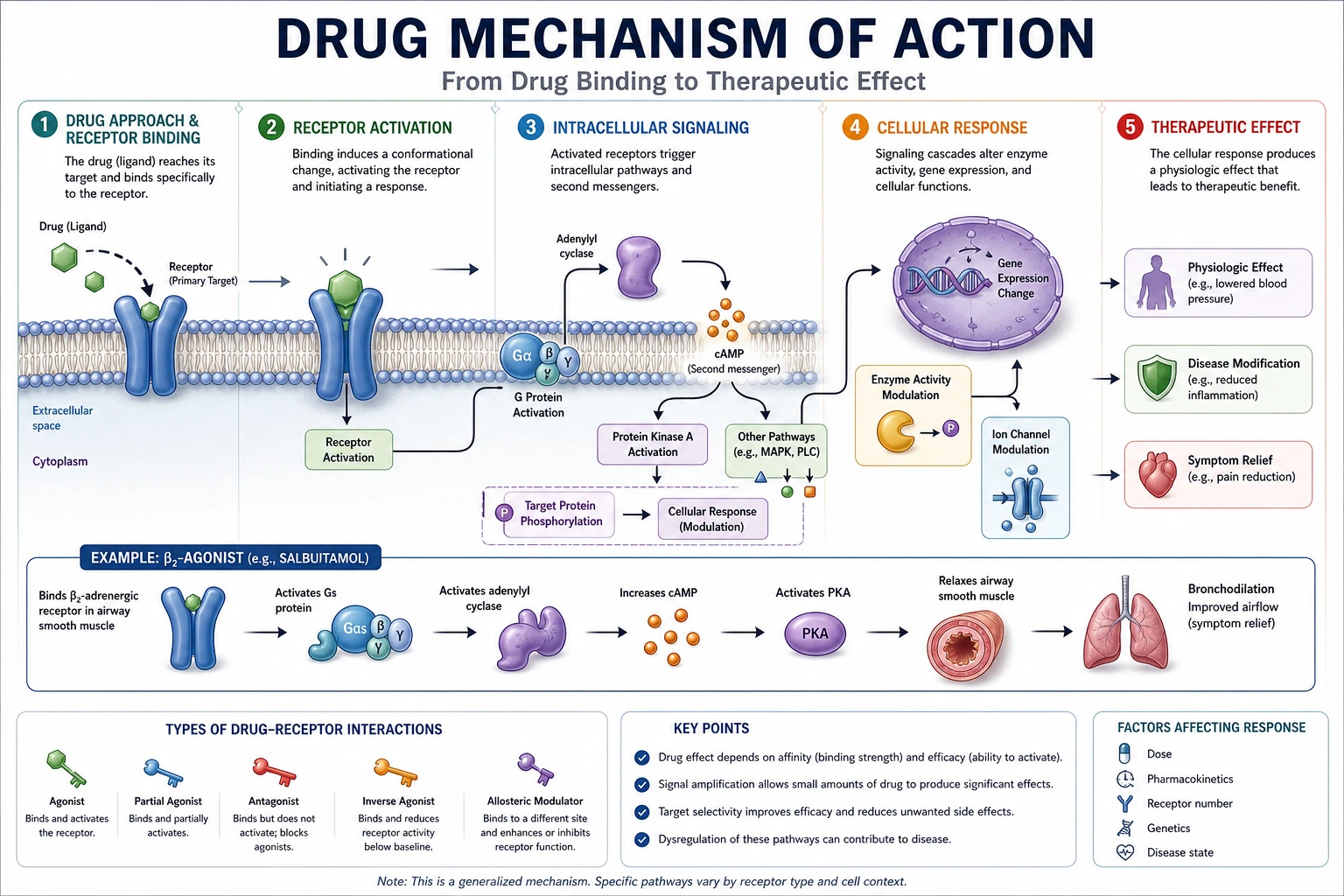
Build mechanism-first drug visuals, then condense the final concept into a tighter recall card.
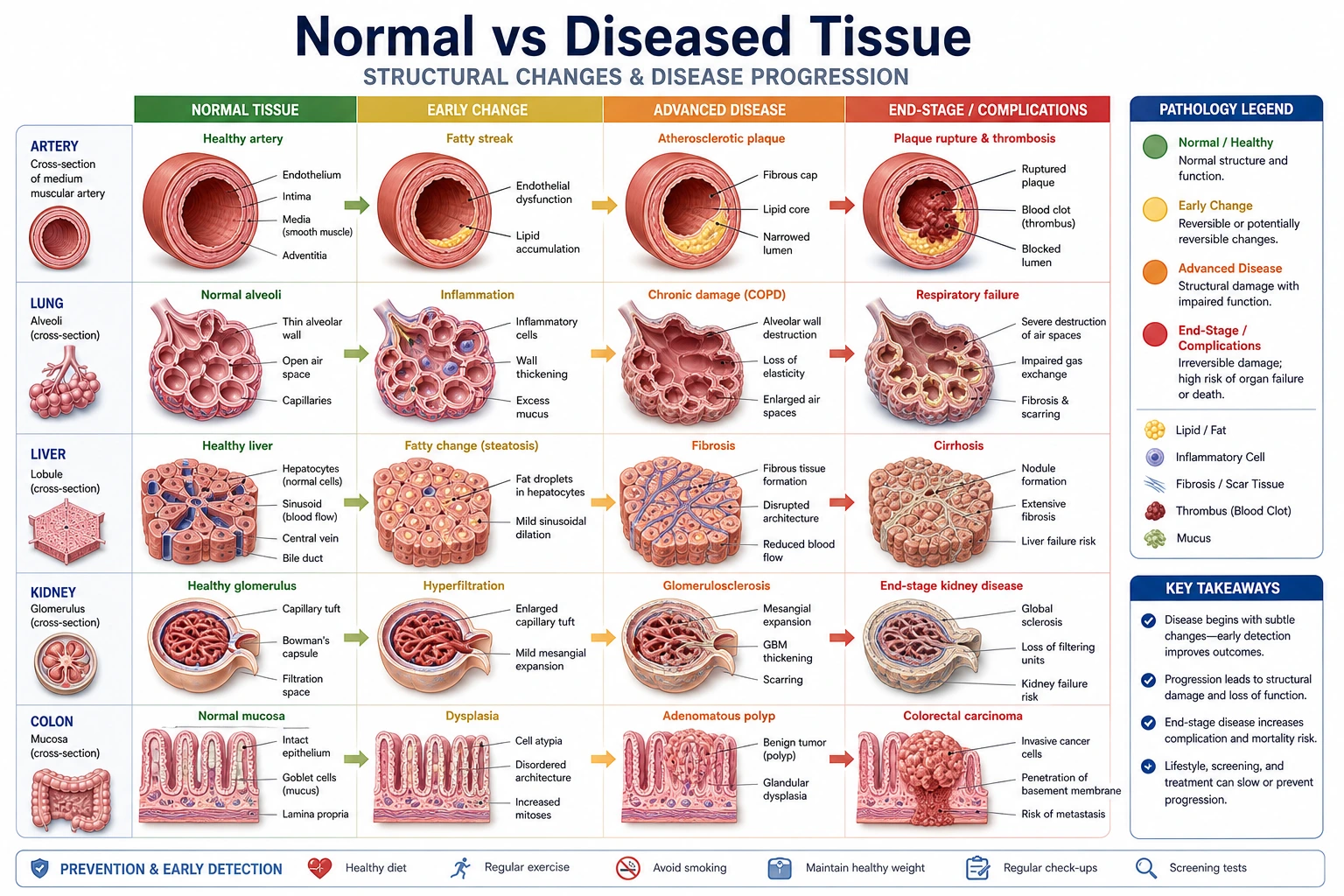
Use it when you need a cleaner pathology comparison or morphology panel before making recognition cards.