
Thoracic Anatomy Plate
An anterior cutaway locating the mediastinum, great vessels, airways, and pleural spaces in a textbook composition.
anatomy
Browse a curated gallery of anatomy plates, surgery views, pathology panels, patient education visuals, clinical schematics, and research-style examples generated on the platform.
Free to try ·
Your diagram will appear here
Describe what you need and click Generate
Six curated samples showing anatomy, surgery, pathology, patient education, clinical schematic, and research figure styles.
An anterior cutaway locating the mediastinum, great vessels, airways, and pleural spaces in a textbook composition.
A clean operative diagram showing trocar layout, field orientation, and the key dissection zone around Calot's triangle.
A side-by-side pathology panel contrasting normal skin architecture with basal cell carcinoma morphology.
A simplified orthopedic explainer showing diseased joint surfaces, implant positioning, and restored alignment.
A manuscript-style schematic tracing cytokine signaling from innate immune activation to vascular response.
A clinical pathway illustration mapping vascular occlusion, imaging triage, reperfusion decisions, and early follow-up.
This gallery exists to show how the visual language changes by use case: anatomy plates, operative views, pathology comparisons, patient explainers, clinical schematics, and research-style figures all need different decisions.
A useful example should read well as a thumbnail and still reward closer inspection. Structure hierarchy, labeling discipline, controlled color, and legibility across slides or handouts matter more than sheer detail alone.
The same subject can be adapted for lectures, patient handouts, posters, case presentations, or research communication. The audience and level of simplification are what change most.
Start with the subject, the view, and the audience. Then choose the style direction that matches the end use: textbook, patient-friendly, clinical, or research-style.
Turn a short medical brief into an anatomy plate, operative view, pathology panel, clinical schematic, or research-style draft.
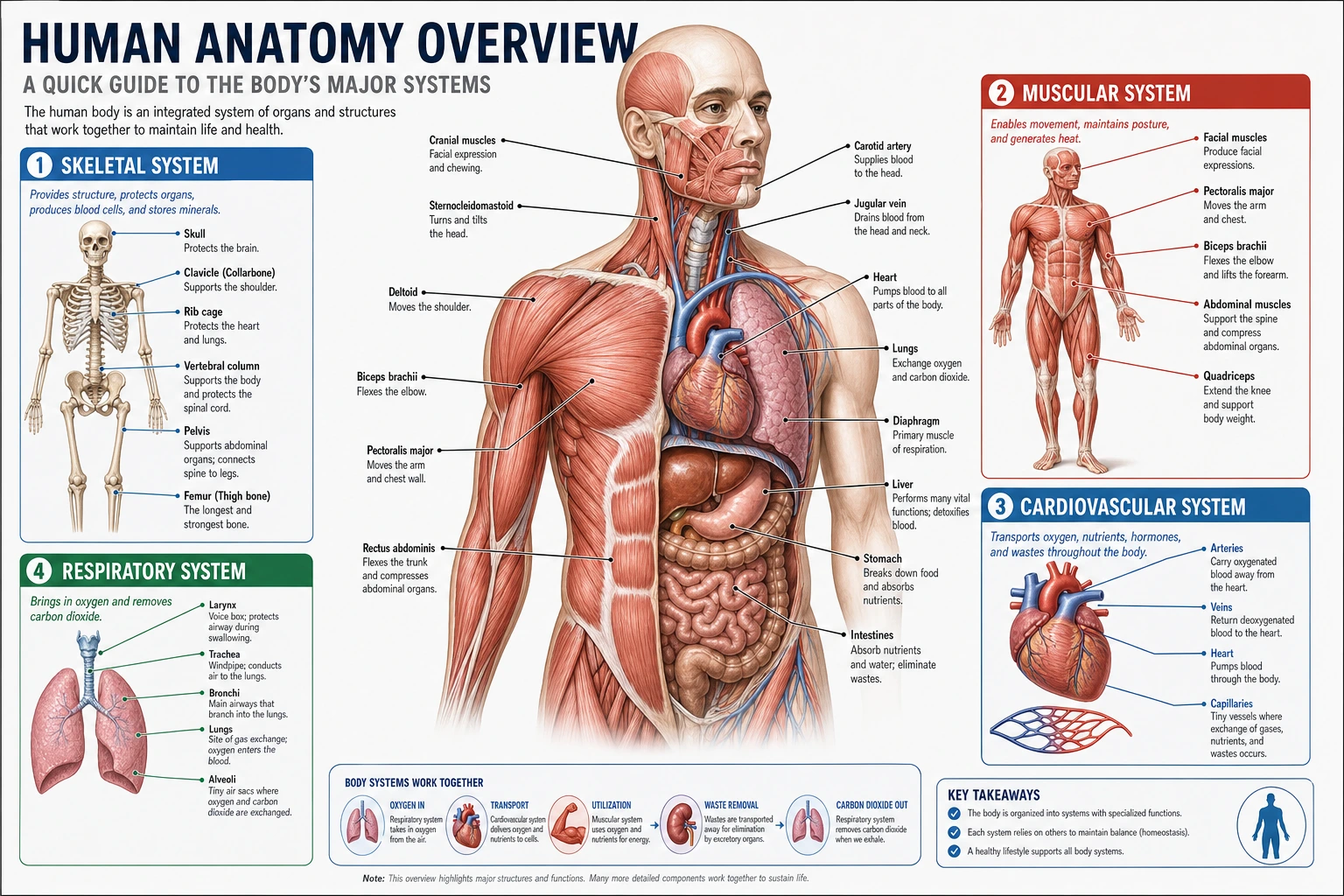
For labeled organ systems, cutaways, and textbook-style anatomy plates.
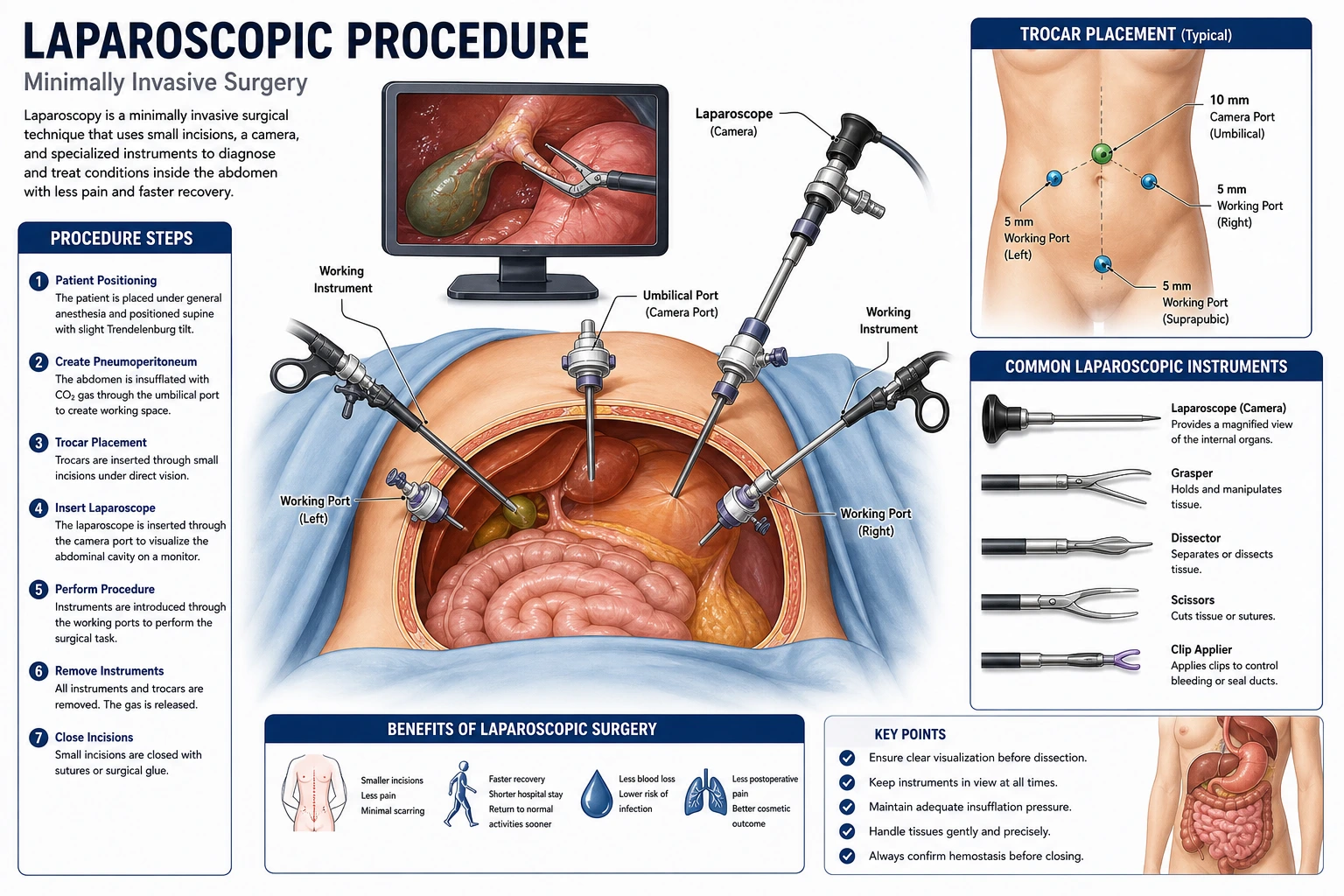
For operative views, procedural steps, and port placement diagrams.
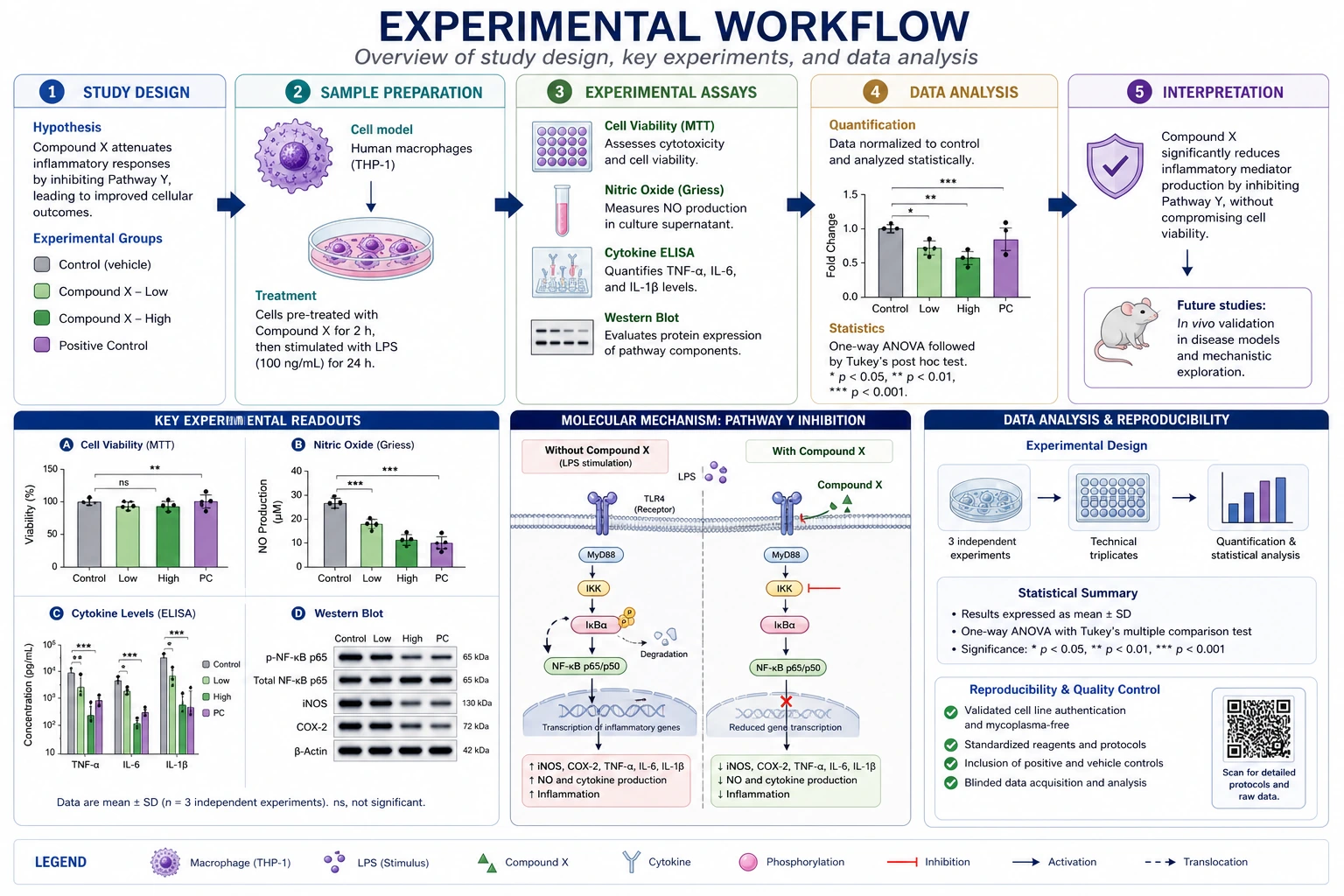
For publication-style research figures, workflows, and multi-panel layouts.