
GPCR Activation Pathway
Molecular visual of ligand-receptor binding, G-protein activation, and secondary messenger release.
Receptor
Draft receptor-interaction maps, cellular delivery pathways, and pharmacology cascades from a clear evidence brief. Review labels, causal claims, and source support before external use.
Free to try ·
Your diagram will appear here
Describe what you need and click Generate
Examples of pharmacology diagram drafts for receptor interactions, delivery pathways, and cellular signaling. Review evidence and labels before reuse.
Molecular visual of ligand-receptor binding, G-protein activation, and secondary messenger release.
Scientific layout of lipid nanoparticle endocytosis, endosomal escape, and intracellular release.
Phosphorylation cascade tracing cytoplasmic signaling events down to gene transcription.
A high-information-density teaching figure with a main view, detail insets, legend, and review-ready labels for gpcr signaling pathway.
A high-information-density teaching figure with a main view, detail insets, legend, and review-ready labels for ion channel modulation.
A high-information-density teaching figure with a main view, detail insets, legend, and review-ready labels for immune checkpoint signaling.
Use this page when the task is to explain a specific drug target, interaction, pathway step, or delivery mechanism. It is for an evidence-led visual first draft, not a substitute for pharmacology review or a treatment recommendation.
State the evidence scope, the molecular entities, the sequence of events, and the audience. Keep uncertain steps visibly qualified in your brief so they can be reviewed rather than presented as established fact.
Treat the output as an AI-assisted draft. A domain expert should confirm terminology, causal direction, dosing implications, and whether the visual matches the cited evidence and intended audience.
A mechanism-of-action diagram works best when it distinguishes reported evidence from working hypotheses. State the intervention, target, cellular setting, causal sequence, and source context before generating a visual. If an interaction is uncertain, label it as proposed or leave it for reviewer annotation rather than drawing it as established biology. This approach helps researchers and medical-affairs teams use the draft to discuss narrative order and visual hierarchy without turning a preliminary image into a therapeutic claim. A qualified pharmacology or subject-matter reviewer should confirm terminology, arrows, evidence boundaries, and any external-use requirements.
Start with the target, mechanism evidence, and intended audience, then review the draft before it is shared outside your workflow.
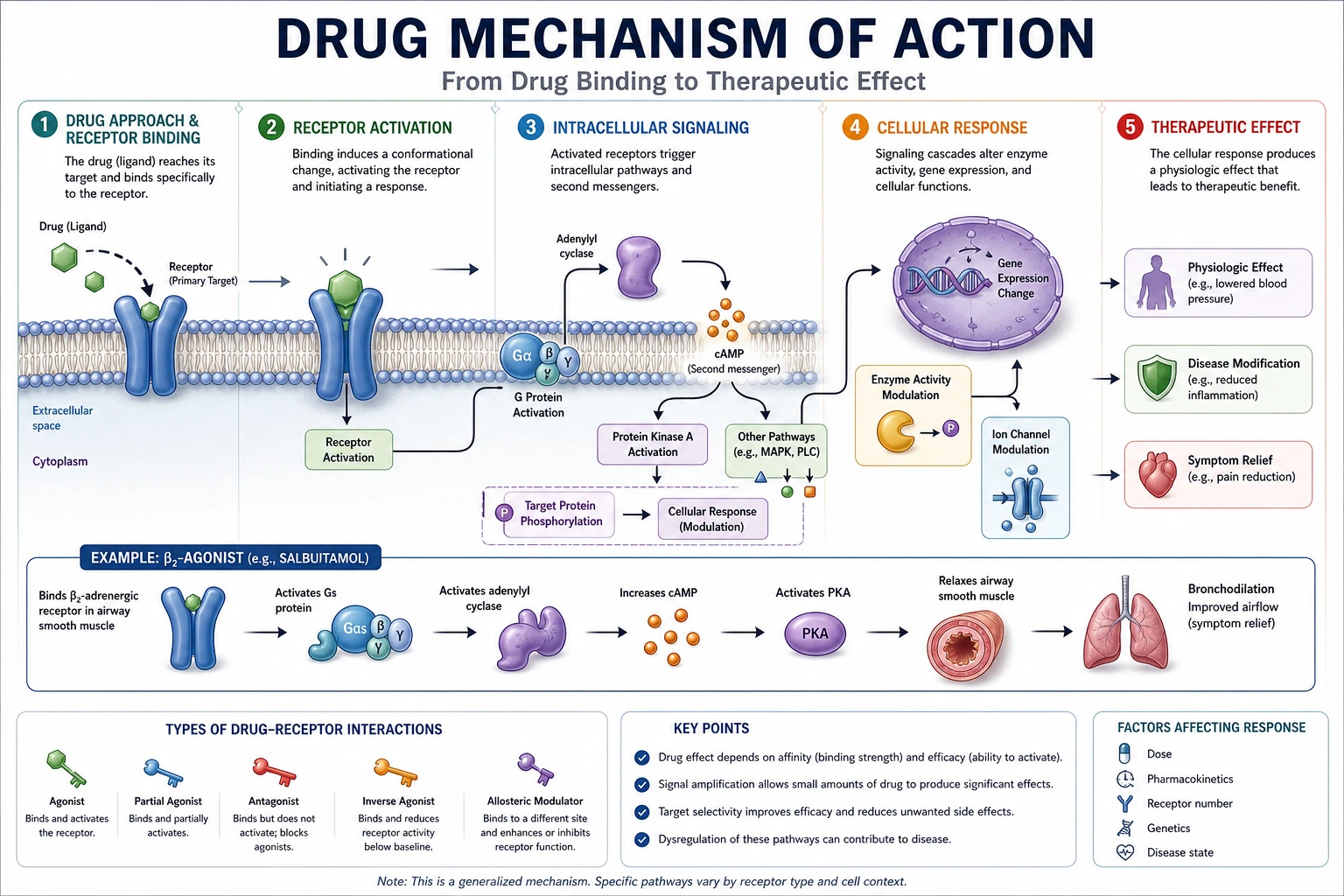 Clinical
Draft drug mechanism of action and receptor binding pathways.
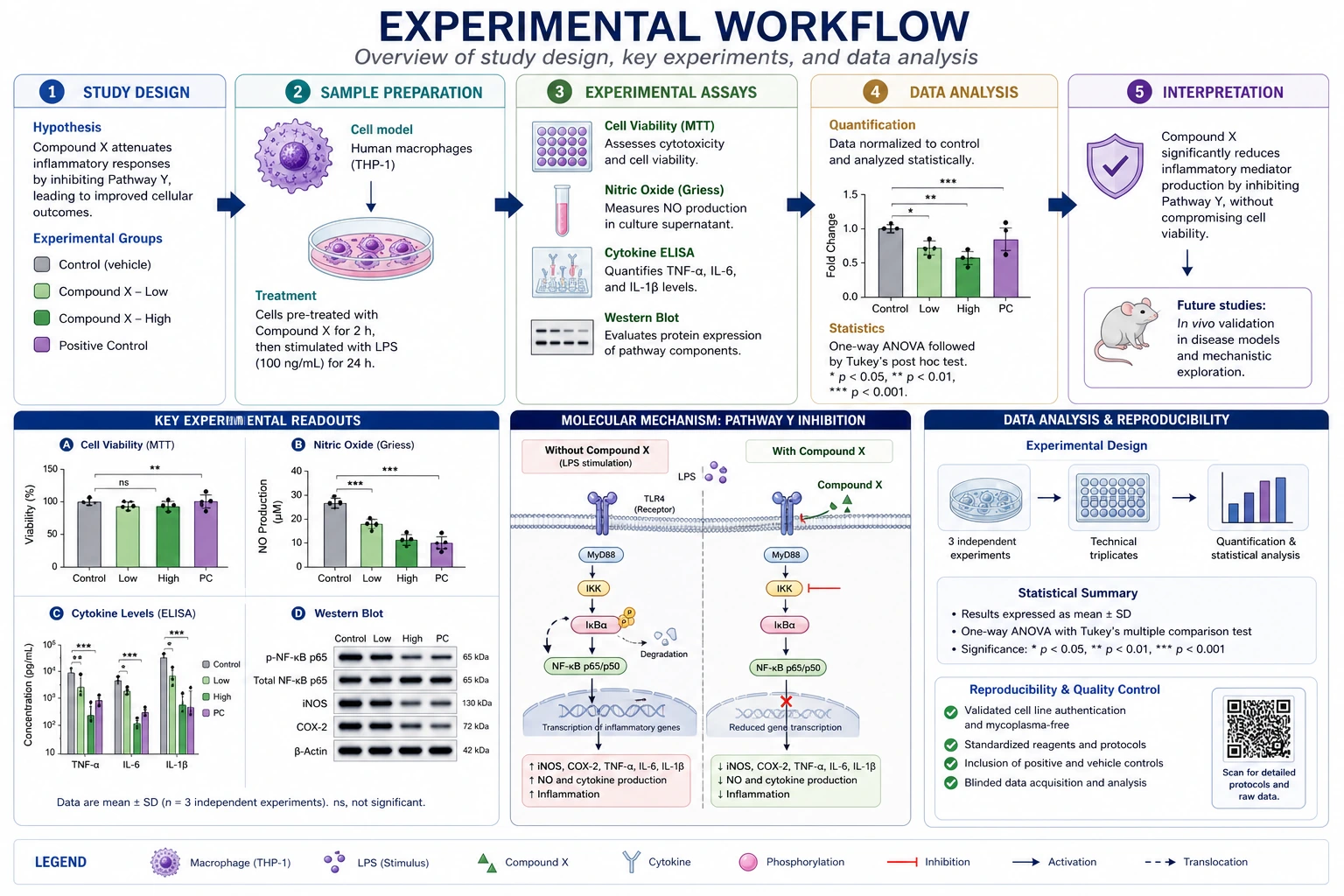 Research
Draft research figures and graphical abstracts for later evidence and destination review.
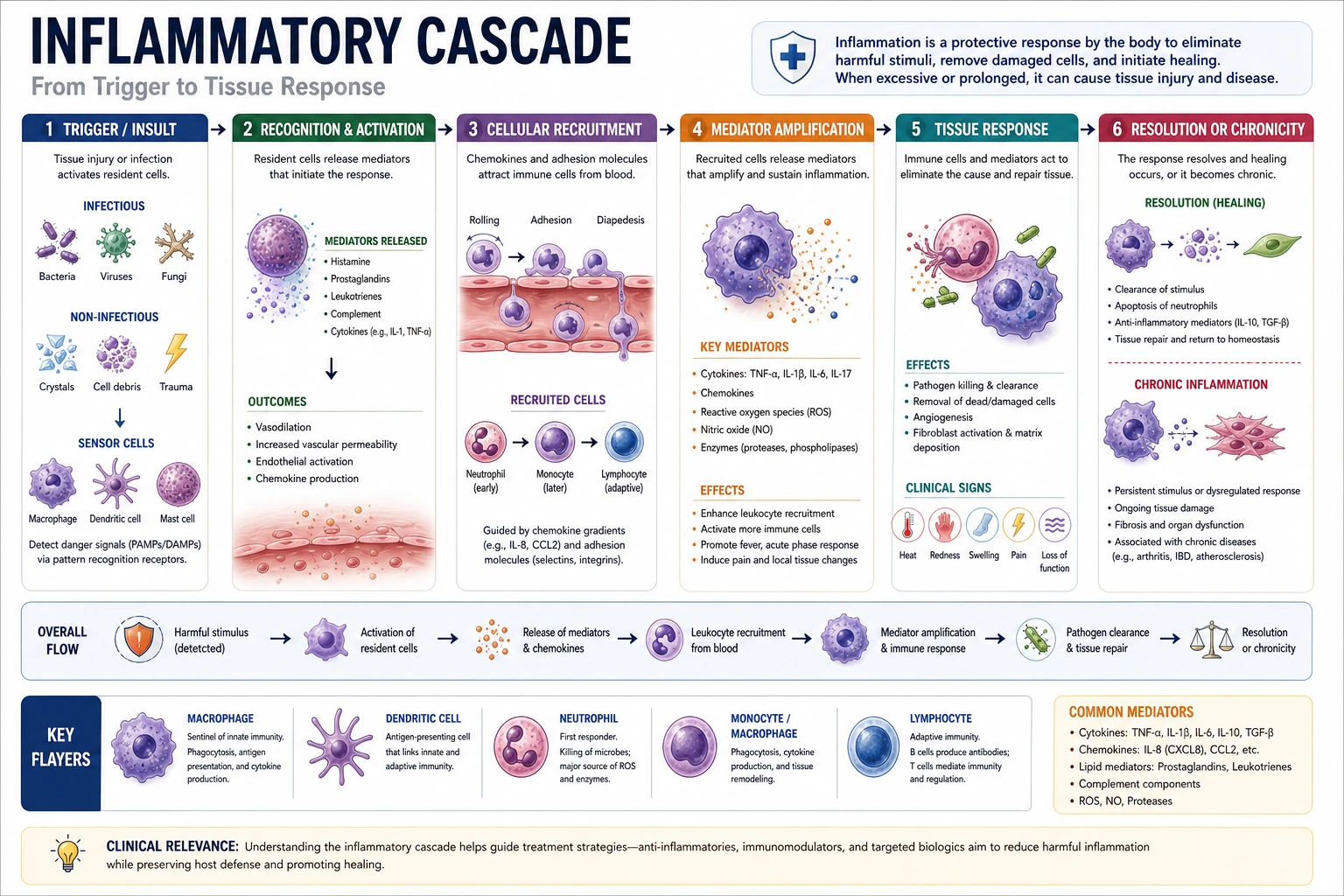 Anatomy
Create clinical flowcharts, disease pathways, and procedural diagrams.