
Upper limb muscle map
A labeled draft that groups major arm and forearm muscles in a study-friendly layout.
Upper Limb
Draft labeled muscle-system visuals for major groups, layers, origins and insertions, and movement-focused teaching. Define the body region, the action, and the audience before you generate.
Free to try ·
Your diagram will appear here
Describe what you need and click Generate
Example muscle-system drafts for teaching, rehab communication, and study materials.
A labeled draft that groups major arm and forearm muscles in a study-friendly layout.
A focused draft that clarifies the cuff muscles, insertions, and shoulder relationship.
A layer-based draft that organizes the abdominal muscles and fascia for learning and review.
A movement-focused draft showing the major lateral hip muscles and their relation to gait support.
A compact draft that groups facial-expression muscles and key surface landmarks.
A system-level draft that links the major posterior muscle groups in one teaching view.
Use this page when the request is mainly about muscle groups, layers, attachments, or movement-related anatomy rather than bone-only structure or disease mechanisms.
Strong muscular prompts define the body region, whether function should be emphasized, and how detailed the attachment or layer labeling should be.
This page helps with first-pass muscle anatomy explanation, but final review should still confirm attachment, orientation, and function details.
Use another page when the visual should focus more on bone landmarks, injury workflows, or broader anatomy beyond the muscular system.
Describe the region, the layer depth, and the function you need to highlight, then review the labels before reuse.
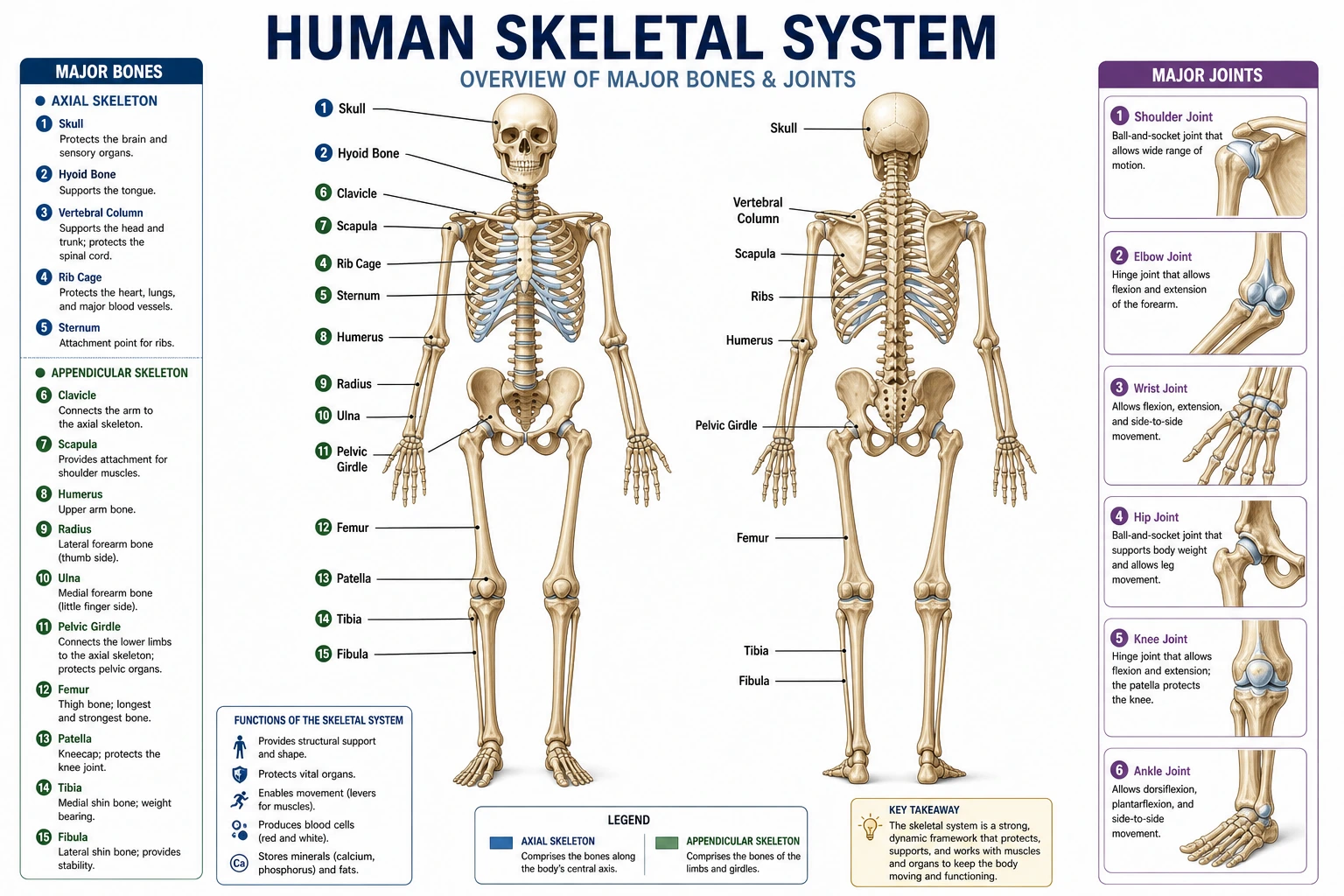 Musculoskeletal
Use a bone-focused page when landmarks, joints, or skeletal organization matter more than muscles alone.
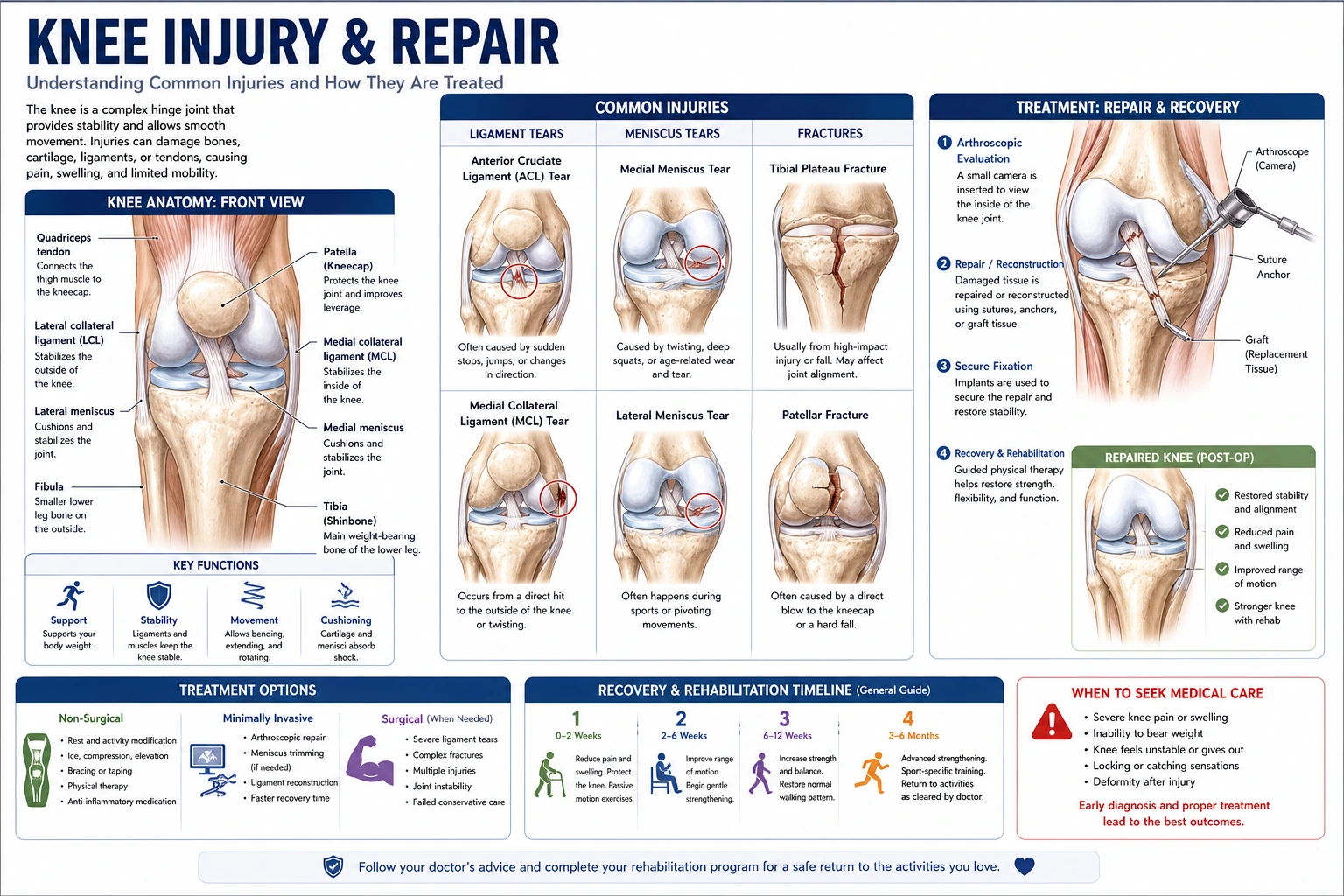 Orthopedics
Move to an orthopedic page for injury patterns, repair concepts, and rehab workflow communication.
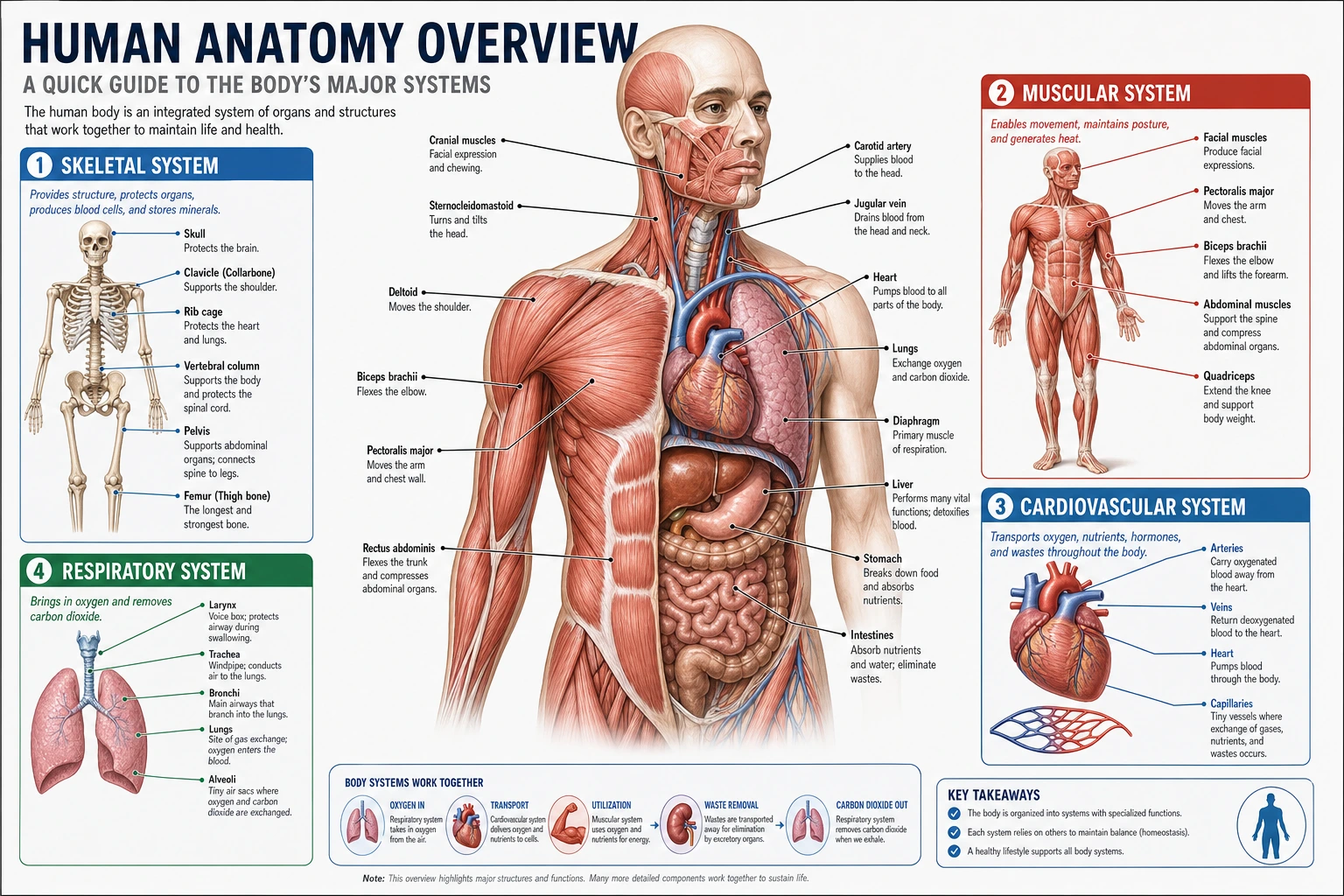 Anatomy
Open a broader anatomy page for multi-structure or cross-system teaching visuals.